
Butterscotch Cake Designs: Golden Layers, Glossy Frosting, Pretty Ideas
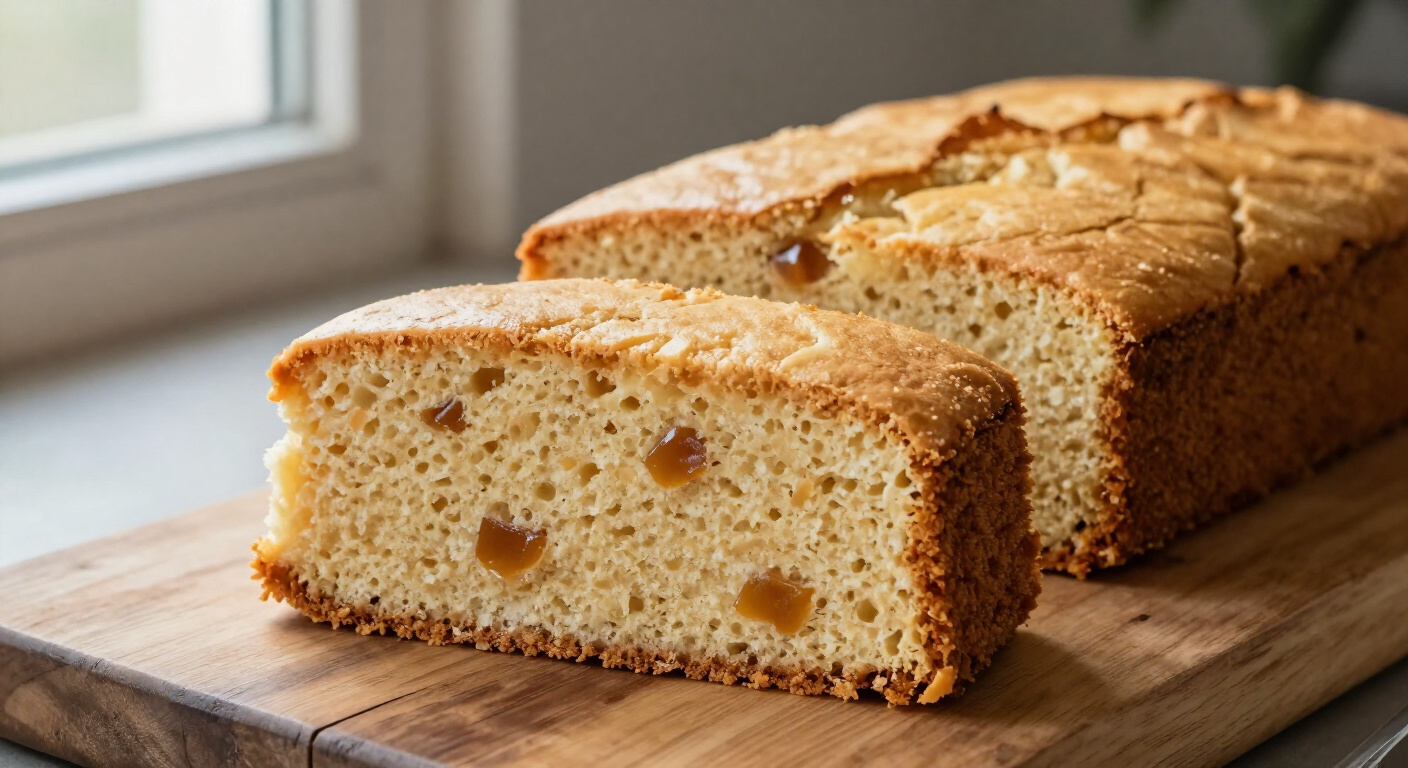
Butterscotch cake designs with golden, sweet-scented layers, ready in 55 minutes. Browse glossy decorating ideas you can copy for your next celebration.
Picture butterscotch cake designs that glow like sunlight, with golden layers and a warm brown-sugar perfume filling the kitchen. Ready in about 55 minutes, these layers bake tender and golden, with caramel pockets needing little more than frosting. Bake these for a weeknight treat or a crowd-pleasing birthday, and watch every slice vanish.
Why This Recipe Works
• Cream butter and sugar until pale: Beating softened butter with light brown sugar traps tiny air pockets. Those pockets lift the crumb and keep it soft and velvety.
• Alternate flour and milk additions: Adding flour and milk in turns hydrates the starch gently. The batter stays smooth and never gets overmixed or tough.
• Room-temperature eggs blend into the batter smoothly: Eggs at room temperature mix into creamed butter without curdling. The result is a glossy, even batter that bakes uniformly.
• Fold butterscotch chips in gently at the end: A quick hand fold spreads the chips evenly. Stopping as soon as they're distributed keeps the gluten relaxed and the crumb tender.
Ingredients You'll Need
All-purpose flour: This is the sturdy base that holds your golden layers together. Spoon it into the cup and level it off, or the cake turns dense and heavy. Cake flour is the best swap and gives an even softer crumb.
Baking powder: This is the lift that makes the layers rise tall and airy. It starts working the moment the batter hits oven heat. Aluminum-free baking powder is the closest swap, and you use it in the same amount.
Fine sea salt: A small pinch sharpens the caramel sweetness and rounds out every bite. It dissolves quickly into the flour. Fine table salt works too, but use a little less since it is saltier by volume.
Unsalted butter: This is the rich backbone that makes the crumb velvety and tender. Let it soften to room temperature so it beats up pale and fluffy. Salted butter works in a pinch; just reduce the added salt.
Light brown sugar: It brings the warm toffee notes that make these layers feel so cozy. Its molasses adds moisture and a soft golden color. Dark brown sugar is a great swap for deeper flavor, or use granulated sugar with a spoonful of molasses.
Large eggs: They bind the batter and add richness and lift. Room-temperature eggs blend smoothly into the creamed butter without curdling. Plain Greek yogurt, about a quarter cup per egg, is a workable swap that keeps the crumb moist.
Pure vanilla extract: It adds a warm, floral backbone that lifts the caramel and butter notes. A little goes a long way in this batter. Vanilla bean paste swaps one-to-one and adds those lovely tiny black specks.
Whole milk: It loosens the batter so it spreads evenly and bakes up tender. The fat keeps every slice soft. Two percent milk works well, and full-fat oat milk makes a good dairy-free version.
Butterscotch chips: These are the star of the show, bringing buttery caramel pockets to every bite. Fold them in gently so they spread out without clumping. Toffee bits are the closest swap, though they lean a little more toward crunch.


How to Make It (Step by Step)
This is a classic creamed batter, folded with butterscotch chips and baked into golden, tender layers. Even if you've never baked layers before, you'll get velvety, golden results with this easy method.

- Preheat the oven to 350°F / 175°C and grease the cake pans until the butter sheen covers every inside surface, 10-15 minutes at 350°F / 175°C.

- Whisk the flour, baking powder and fine sea salt in a bowl until evenly blended and no streaks remain, 1-2 minutes at room temperature (70°F / 21°C).

- Beat the softened butter and light brown sugar until pale, airy and velvety, 3-4 minutes at room temperature (70°F / 21°C).

- Beat in the eggs one at a time with the vanilla until smooth and glossy, 1-2 minutes per egg at room temperature (70°F / 21°C).

- Add the flour mixture and milk in alternating additions, mixing on low until just combined and smooth, 1-2 minutes at room temperature (70°F / 21°C).

- Fold the butterscotch chips into the batter with a spatula until evenly distributed with no clumps, 30-60 seconds at room temperature (70°F / 21°C).

- Divide the batter between the pans and bake until golden-brown and a toothpick inserted in the center comes out clean, 30-35 minutes at 350°F / 175°C.

- Turn the layers onto a wire rack and cool until firm to the touch and fully at room temperature, 1-2 hours at room temperature (70°F / 21°C).

Recipe Notes
• Storage: Keep frosted layers covered in the fridge for up to 4 days. Unfrosted layers wrap well and freeze for 3 months. Thaw overnight, then bring to room temperature before serving.
• Key substitution: Out of whole milk? Use 2% milk or oat milk. Both keep the layers tender and golden without changing the bake.
• Make-ahead tip: Bake the layers up to a day ahead. Wrap them tightly at room temperature so they stay moist and fragrant until frosting day.
• Common mistake: Scooping light brown sugar loosely makes the batter dry. Press it firmly into the cup until it holds its shape.
Serving size: 1 portion · Calories: 380 · Total Fat: 16g · Saturated Fat: 10g · Carbs: 54g · Fiber: 1g · Sugar: 38g · Protein: 6g · Sodium: 260mg
Tips and Tricks
- Equipment: Pick light-colored aluminum pans: Light metal reflects heat, so the edges bake golden without drying out. Dark pans can brown the sides too fast.

- Temperature precision: Keep butter near 70°F / 21°C: Butter at this temperature creams pale, airy and velvety. Too warm and it turns greasy. Too cold and the sugar won't blend in.
- Common mistake: Opening the oven door early: Peeking before the 30-minute mark lets cool air rush in. The middles can sink, and the layers lose their even dome.
- Flavour upgrade: Add ½ teaspoon ground cinnamon: Whisk it into the flour mixture. It adds a warm spice note that deepens the caramel flavour without overpowering it.
- Texture tip: Pull the layers when the top springs back: Check at 30 minutes. A toothpick should come out clean and a gentle press should bounce back. Overbaking dries the crumb.

Frequently Asked Questions
Can I make these butterscotch cake layers without butterscotch chips or with a dairy-free milk?
Yes, swap the 1 cup (170 g) butterscotch chips for 1 cup (170 g) chopped toffee bits or white chocolate chips, and use 1 cup (240 ml) unsweetened oat or almond milk in place of whole milk. Keep the same mixing steps and bake time.
How do I store and reheat leftover butterscotch cake slices?
Wrap cut slices individually in plastic and refrigerate them for up to 2 days, then microwave one slice on medium-low power for 10 to 15 seconds to soften the chips.
Why do my butterscotch cake layers sink in the center or turn out gummy?
Sinking usually means the batter was overmixed or the oven was too cool, so check that your oven reads 350°F / 175°C with a thermometer. Bake until a toothpick comes out clean, and cool the layers fully before frosting.
What to Serve With This
- Lemon-Macerated Raspberries: Tart, juicy berries with a little lemon zest cut through the sweet, buttery crumb.
- Lime Greek Yogurt: Cool, tangy yogurt with lime zest balances the brown-sugar richness and adds creamy contrast.
- Crisp Green Apple Slices: Tart, crunchy apple slices give a bright snap against the soft, tender layers.
- Mint-Dressed Orange Segments: Juicy citrus with fresh mint brings an acidic lift that refreshes every bite.

Butterscotch Cake Designs: Golden Layers, Glossy Frosting, Pretty Ideas
Dessert / American
- Prep
- 20 min
- Cook
- 35 min
- Total
- 55 min
- Servings
- 12
- Calories
- 380 kcal
Ingredients
- 2 cups (250 g) all-purpose flour, spooned and leveled
- 2 teaspoons baking powder
- ½ teaspoon fine sea salt
- 1 cup (226 g) unsalted butter, softened to room temperature
- 1½ cups (330 g) packed light brown sugar
- 3 large eggs, at room temperature
- 2 teaspoons pure vanilla extract
- 1 cup (240 ml) whole milk, at room temperature
- 1 cup (170 g) butterscotch chips
Instructions
- Preheat the oven to 350°F / 175°C and grease the cake pans until the butter sheen covers every inside surface, 10-15 minutes at 350°F / 175°C.
- Whisk the flour, baking powder and fine sea salt in a bowl until evenly blended and no streaks remain, 1-2 minutes at room temperature (70°F / 21°C).
- Beat the softened butter and light brown sugar until pale, airy and velvety, 3-4 minutes at room temperature (70°F / 21°C).
- Beat in the eggs one at a time with the vanilla until smooth and glossy, 1-2 minutes per egg at room temperature (70°F / 21°C).
- Add the flour mixture and milk in alternating additions, mixing on low until just combined and smooth, 1-2 minutes at room temperature (70°F / 21°C).
- Fold the butterscotch chips into the batter with a spatula until evenly distributed with no clumps, 30-60 seconds at room temperature (70°F / 21°C).
- Divide the batter between the pans and bake until golden-brown and a toothpick inserted in the center comes out clean, 30-35 minutes at 350°F / 175°C.
- Turn the layers onto a wire rack and cool until firm to the touch and fully at room temperature, 1-2 hours at room temperature (70°F / 21°C).
Share this article
About the author
Priya Raman
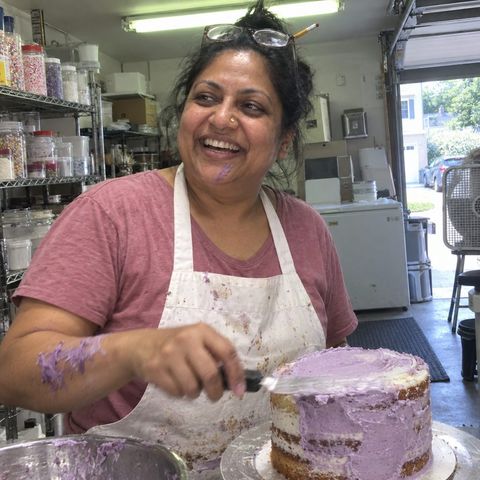
Priya was told her whole life that a cake business was a silly dream, so she built one in the garage and outlasted every doubter. She still gets a lump in her throat when someone opens a box she made. Layer cakes are how she says the things she was never allowed to say out loud.