
Creamy How to Make Sour Cream at Home From Heavy Cream
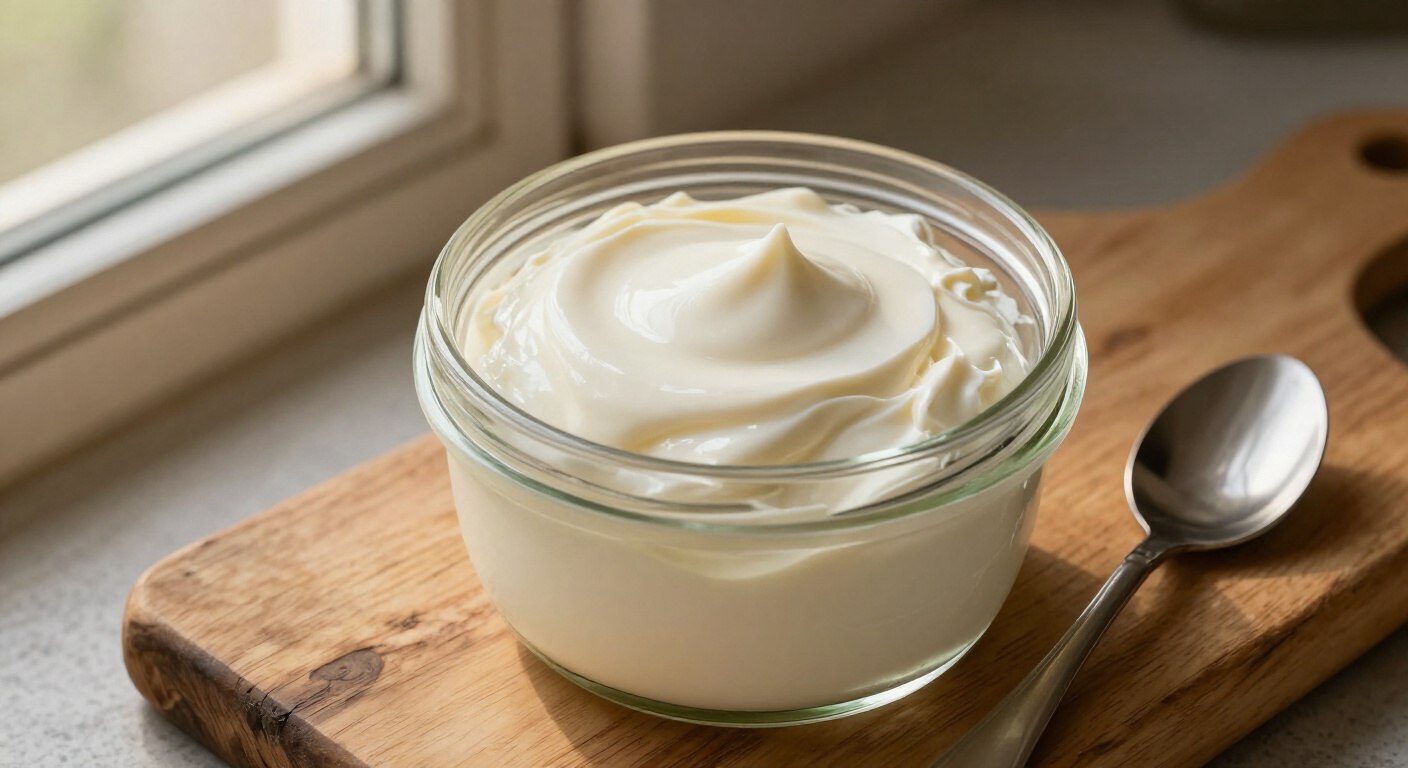
How to make sour cream at home from heavy cream: velvety, tangy, and ready in about 12 hours with just three ingredients. Your taco night starts here.
Learn how to make sour cream at home and spoon out thick, tangy, velvety dollops over hot tacos. Ten minutes of hands-on work and about 12 hours total give you silky sour cream from just three ingredients. Make a batch on a lazy Sunday and keep it chilled for taco nights and baked potatoes all week.
Why This Recipe Works
• Live cultures do the thickening work: Buttermilk bacteria feed on the cream's milk sugar and release lactic acid. That acid slowly sets the proteins into a spoonable body.
• Pasteurized cream, not ultra-pasteurized, for body: Ultra-pasteurization heats cream so hard its proteins change. Regular pasteurized cream keeps the structure cultures need for a rich finish.
• Keep the room steady at 70-75°F: That range keeps the cultures busy without overheating. Warmer rooms sour the cream too fast and can taste sharp.
• Chill and salt only after culturing: Cold firms up the fats so the cream sets. Salt waits until the end so it doesn't interfere with the cultures' early work.
Ingredients You'll Need
Heavy Cream: This rich base gives the sour cream its velvety body and spoonable thickness. Choose pasteurized cream, not ultra-pasteurized, so it sets up properly. If you only have whole milk, it still works, but the result runs thinner and less rich.
Cultured Buttermilk: This is your starter, full of live bacteria that sour and thicken the cream. Check the label for live active cultures so the batch actually works. No buttermilk? Use 2 tablespoons of store-bought sour cream or plain yogurt with live cultures instead.
Fine Salt: A quarter teaspoon brightens the tang and rounds out the flavor. Fine salt dissolves quickly, so it blends into the cream without any gritty bits. Fine sea salt works just as well. Kosher salt is coarser, so use a little less and taste as you go.


How to Make It (Step by Step)
Stir heavy cream with cultured buttermilk, let it sit overnight in one jar, then salt and chill it until thick. Even if you've never cultured anything before, you'll end up with a velvety, spoonable jar.

- Pour 2 cups pasteurized heavy cream (not ultra-pasteurized) into a clean glass jar, then stir in 2 tablespoons cultured buttermilk until smooth and evenly pale, 1-2 minutes at 70-75°F (21-24°C). No streaks of buttermilk should remain.

- Cover the jar loosely with a clean cloth and let it rest until thick and spoonable, 12-14 hours at 70-75°F (21-24°C). The cream should coat the back of a spoon and smell mildly tangy.

- Uncover the jar and stir in ¼ teaspoon fine salt until fully dissolved, about 30 seconds at 70-75°F (21-24°C). The cream should look glossy, smooth, and velvety.

- Taste a small spoonful and stir in a pinch more fine salt only if needed, about 15 seconds at 70-75°F (21-24°C). The flavor should be tangy, rich, and balanced.

- Cover the jar with a lid and refrigerate until cold and firm, 3-4 hours at 38-40°F (3-4°C). The cream should feel chilled and hold its shape on a spoon.

- Spoon the chilled sour cream into a clean airtight container until smooth, about 1 minute at 38-40°F (3-4°C). Smooth the top so it looks thick and creamy.

Recipe Notes
• Storage: Keep it in an airtight container in the fridge for up to two weeks. It freezes poorly and can turn grainy, so use frozen batches in cooked dishes only. Stir it cold; it doesn't need reheating.
• Key substitution: No cultured buttermilk? Use 2 tablespoons of store-bought sour cream with live cultures. Check the label for "live and active cultures" before you start.
• Make-ahead tip: Make it up to three days before a party. The flavor deepens and the texture gets even thicker after a night in the fridge.
• Common mistake: Covering the jar with a tight lid while it cultures can trap gas and dull the flavor. Use a loose cloth so the cream can breathe.
Serving size: 1 portion · Calories: 30 · Total Fat: 3g · Saturated Fat: 2g · Carbs: 1g · Fiber: 0g · Sugar: 1g · Protein: 0g · Sodium: 15mg
Tips and Tricks
- Equipment: Use a clean wide-mouth glass jar: Glass doesn't hold onto smells, and the wide mouth gives you room to stir. Cover it loosely with a cloth so the cream can breathe.

- Temperature precision: Keep the room at 70-75°F (21-24°C): Warmer rooms sour the cream too fast and taste sharp. Cooler rooms stall the cultures, so it may never thicken. Keep a thermometer beside the jar.
- Common mistake: Salting before the cream thickens: Salt slows the cultures early on and can leave the cream flat. Wait until it's thick and coats a spoon, then stir in the fine salt.
- Flavour upgrade: Finish with a few snipped chives: Stir in a small pinch of finely snipped chives after chilling. They add a fresh, green bite that suits tacos and baked potatoes.
- Texture tip: Stir gently in slow circles: Hard whisking breaks the cream's body and thins it into something runny. Gentle stirring keeps it glossy, smooth, and velvety.

Frequently Asked Questions
Can I make sour cream dairy-free or lower-fat with a substitute, and how much should I use?
Use 2 cups of full-fat coconut cream with 2 tablespoons of lemon juice and 2 tablespoons of live-culture plant yogurt in place of the heavy cream and buttermilk. For a lower-fat version, swap in 2 cups of whole milk with 2 tablespoons of cultured buttermilk, though it will set looser.
What should I do if liquid whey separates on top of my stored sour cream?
Pour off the thin whey or stir it back in gently with a clean spoon, since it's harmless and just means the cream is slightly looser. Always scoop with a clean, dry spoon so crumbs or moisture don't introduce spoilage bacteria into the jar.
Why is my homemade sour cream still runny after twelve hours of culturing?
If it stays thin, the culture was likely weak or the room was too cold, so warm the jar to 70-75°F and culture another 6-8 hours. Check that the cream is pasteurized, not ultra-pasteurized, and that the buttermilk label says live and active cultures.
What to Serve With This
- Lime Cabbage Slaw: Crisp shredded cabbage tossed in fresh lime juice cuts through the cream's richness with a bright, crunchy bite.
- Quick Pickled Red Onions: Sharp vinegar and vivid pink crunch balance the velvety, mellow tang of the sour cream.
- Cucumber and Dill Salad: Cool, crisp cucumber slices in a light vinegar dressing add freshness and snap beside the thick, smooth cream.
- Tortilla Chips with Salsa Verde: Salty, crunchy chips and zesty green salsa give the creamy topping the crisp contrast it needs.

Creamy How to Make Sour Cream at Home From Heavy Cream
Side Dish / American
- Prep
- 10 min
- Cook
- 12 h
- Total
- 12 h 10 min
- Servings
- 16
- Calories
- 30 kcal
Ingredients
- 2 cups heavy cream, pasteurized (not ultra-pasteurized)
- 2 tablespoons cultured buttermilk, with live active cultures
- ¼ teaspoon fine salt, to taste
Instructions
- Pour 2 cups pasteurized heavy cream (not ultra-pasteurized) into a clean glass jar, then stir in 2 tablespoons cultured buttermilk until smooth and evenly pale, 1-2 minutes at 70-75°F (21-24°C). No streaks of buttermilk should remain.
- Cover the jar loosely with a clean cloth and let it rest until thick and spoonable, 12-14 hours at 70-75°F (21-24°C). The cream should coat the back of a spoon and smell mildly tangy.
- Uncover the jar and stir in ¼ teaspoon fine salt until fully dissolved, about 30 seconds at 70-75°F (21-24°C). The cream should look glossy, smooth, and velvety.
- Taste a small spoonful and stir in a pinch more fine salt only if needed, about 15 seconds at 70-75°F (21-24°C). The flavor should be tangy, rich, and balanced.
- Cover the jar with a lid and refrigerate until cold and firm, 3-4 hours at 38-40°F (3-4°C). The cream should feel chilled and hold its shape on a spoon.
- Spoon the chilled sour cream into a clean airtight container until smooth, about 1 minute at 38-40°F (3-4°C). Smooth the top so it looks thick and creamy.
Share this article
About the author

Priya Raman
Priya was told her whole life that a cake business was a silly dream, so she built one in the garage and outlasted every doubter. She still gets a lump in her throat when someone opens a box she made. Layer cakes are how she says the things she was never allowed to say out loud.