
Lemon Pound Cake Recipe: Tender, Zesty, Made From Scratch
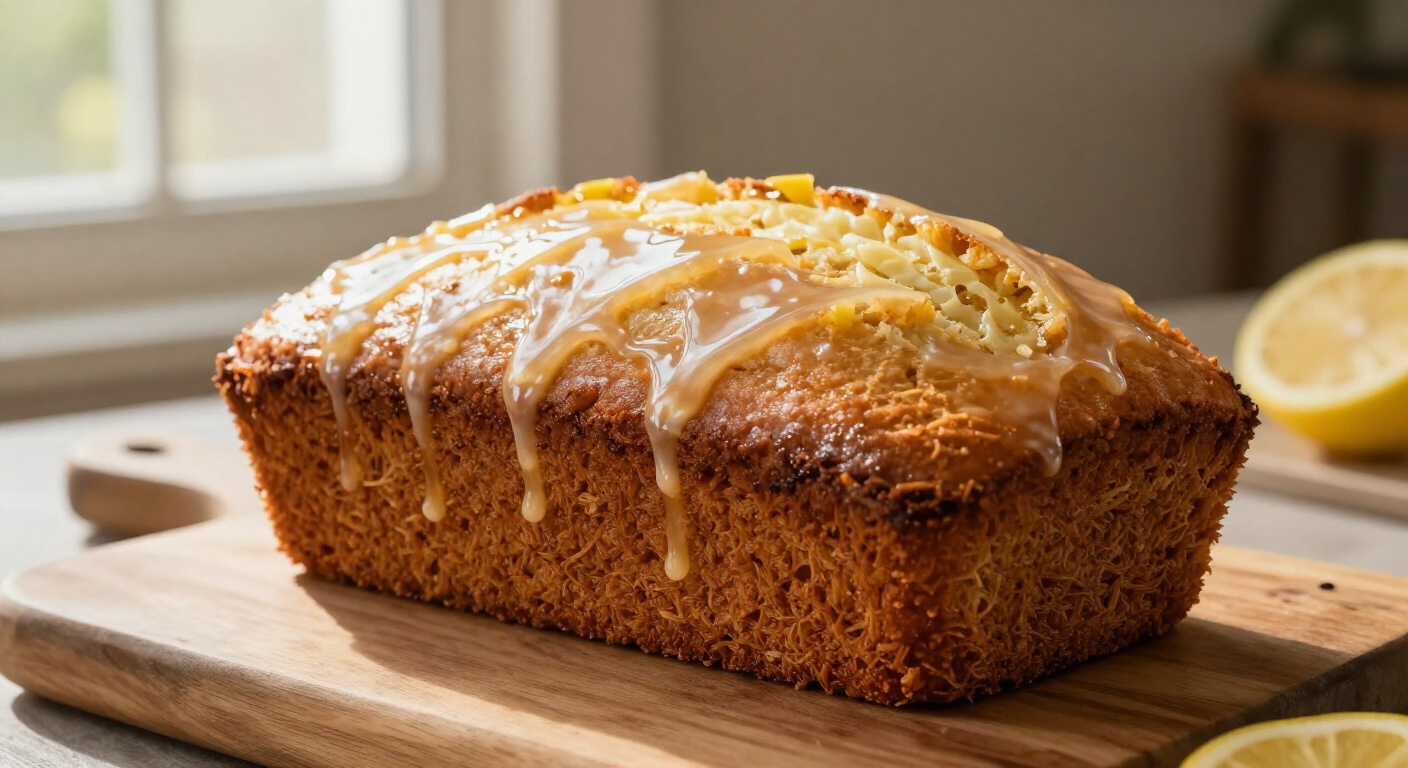
Lemon pound cake recipe made from scratch: a velvety, zesty loaf ready in 90 minutes, finished with a tangy glaze. Bake yours this weekend.
Your kitchen will smell like sunshine within minutes of starting this lemon pound cake recipe. Ninety minutes gets you a velvety loaf, because a spoonful of sour cream keeps the crumb moist for days. Bake it for a potluck, a birthday, or a quiet Sunday when you need something sweet.
Why This Recipe Works
• Cream butter and sugar until pale: Beating for 3 to 5 minutes whips tiny air pockets into the fat. Those bubbles expand in the oven and give the loaf its lift.
• Add eggs one at a time: Each egg blends fully before the next goes in. This builds a stable emulsion, so the batter stays smooth instead of curdling.
• Alternate flour and sour cream additions: Adding dry ingredients in three portions limits gluten development. Mixing only until just combined keeps the crumb tender rather than tough.
• Cool in the pan first: Ten to fifteen minutes lets the structure firm up. Turning the cake too early can tear the crumb, while waiting until fully cool keeps the glaze from sliding off.
Ingredients You'll Need
Unsalted Butter: Butter is the richness and the backbone of this cake. Beaten with sugar, its softened body traps tiny air pockets that lift the loaf. No time to soften it? Use salted butter and skip most of the sea salt.
Granulated Sugar: Sugar sweetens the crumb and helps the butter hold onto air while you beat. It also helps the crust turn deep golden-brown. Superfine sugar is the closest swap, and it creams just as well.
Large Eggs: Eggs bind the batter and add structure and a custardy richness. Room-temperature eggs blend into the butter smoothly and won't curdle. Plant-based egg replacers work in a pinch, but the crumb will be a little looser.
Lemon Zest: Zest is the thin yellow outer layer of the peel, and it holds most of the lemon's perfume. Grate only the bright yellow part, because the white pith tastes bitter. A teaspoon of lemon extract adds aroma, but it can't match the oils in fresh zest.
Fresh Lemon Juice: Juice brings the tang that keeps this cake from tasting flat. It also thins the powdered sugar into a glaze that pours and sets glossy. Bottled juice is a fallback, though fresh tastes noticeably brighter.
Pure Vanilla Extract: Vanilla adds a warm, creamy note under all that lemon. Choose pure extract over imitation for a deeper, rounder flavor. Vanilla bean paste works in the same amount and adds pretty little flecks.
All-Purpose Flour: Flour gives the cake its frame. Spooning it into the cup and leveling it off keeps the measure honest, so the loaf stays tender. Cake flour makes an even finer crumb, and a 1-to-1 gluten-free blend also works.
Baking Powder: Baking powder releases gas in the oven, giving the loaf a soft, even lift. It works alongside the air already beaten into the butter. Use fresh, double-acting powder, because baking soda can't replace it one-to-one.
Fine Sea Salt: Salt sharpens the lemon and makes the sweetness taste deeper. Even a small amount keeps the glaze and crumb balanced. Fine table salt is a direct swap, and kosher salt needs a little more.
Full-Fat Sour Cream: Sour cream keeps the crumb velvety and moist for days. Its gentle tang echoes the lemon beautifully. Full-fat plain Greek yogurt is the best stand-in, with nearly the same tang and moisture.
Powdered Sugar: Powdered sugar dissolves into the lemon juice for a smooth, glossy glaze. Sift it first so the glaze stays silky, not lumpy. Superfine sugar can stand in, though the glaze will look a little less glossy.


How to Make It (Step by Step)
A stand mixer builds the batter, a loaf pan holds it through a slow bake, then a lemon glaze finishes it. Even if you've never baked a loaf before, the golden crumb and tangy glaze will have you grinning.

- Preheat your oven to 325°F (163°C) with the rack in the center, 15-20 minutes, until the oven holds steady and the interior glows evenly.

- Beat the softened butter and granulated sugar in a stand mixer until pale, fluffy, and creamy, 3-5 minutes at medium speed (68°F / 20°C).

- Add the eggs one at a time, beating about 30 seconds after each, until the batter looks smooth with no yolk streaks, 2-3 minutes total at room temperature (68°F / 20°C).

- Beat in the lemon zest, lemon juice, and vanilla until the batter looks evenly flecked and smells bright, about 30 seconds at low speed (68°F / 20°C).

- Whisk the spooned and leveled flour, baking powder, and fine sea salt in a separate bowl until evenly blended, about 30 seconds at room temperature (68°F / 20°C).

- Mix the flour blend and sour cream into the batter in three alternating additions on low speed until just combined, 2-3 minutes at room temperature (68°F / 20°C). The batter should look thick and velvety.

- Spread the batter into a greased 9x5-inch loaf pan and bake until deep golden-brown and a skewer inserted in the center comes out clean, 60-70 minutes at 325°F (163°C).

- Cool the cake in the pan for 10-15 minutes, then turn it onto a wire rack until fully cool to the touch, about 60-90 minutes at room temperature (68°F / 20°C).

- Whisk the sifted powdered sugar with 2 to 3 tablespoons fresh lemon juice until smooth and thick enough to coat a spoon, about 1 minute at room temperature (68°F / 20°C).

- Drizzle the glaze over the cooled cake and let it set until glossy and firm to the touch, 15-20 minutes at room temperature (68°F / 20°C).

Recipe Notes
• Storage: Keep the cake wrapped airtight at room temperature for up to 2 days, or refrigerate for up to 5 days. Freeze wrapped slices for 3 months. Thaw overnight, then warm one slice 10 seconds in the microwave.
• Key substitution: Out of sour cream? Swap in an equal 120 g of plain full-fat Greek yogurt. The crumb stays just as moist and tender.
• Make-ahead tip: Bake the loaf up to two days early and wrap it tightly once fully cool. Whisk the glaze the morning you serve, since it firms up quickly.
• Common mistake: Scooping flour straight from the bag packs it in and makes the cake dense. Spoon it into the cup and level it off instead.
Serving size: 1 portion · Calories: 380 · Total Fat: 17g · Saturated Fat: 10g · Carbs: 52g · Fiber: 1g · Sugar: 34g · Protein: 6g · Sodium: 190mg
Tips and Tricks
- Equipment: Use a 9x5-inch metal loaf pan - A light metal pan conducts heat evenly, so the edges brown while the center bakes through. Grease it well so the loaf releases cleanly.

- Temperature precision: Hold the oven at 325°F (163°C) - Higher heat browns the outside before the center sets, leaving a gummy middle. An oven thermometer confirms the real temperature.
- Common mistake: Overmixing after the flour goes in - Beating past the point of combined whips up gluten, which turns a velvety crumb tough. Stop the mixer as soon as the last streaks disappear.
- Flavour upgrade: Rub extra zest into the sugar - Work an extra teaspoon of lemon zest into the granulated sugar with your fingertips before creaming. The oils release and perfume the whole loaf.
- Texture tip: Glaze only a fully cooled cake - A warm loaf drinks up the glaze and turns it dull. Wait until the cake is cool to the touch for a glossy, firm finish.

Frequently Asked Questions
Can I make this lemon pound cake gluten-free with a substitute flour?
Yes, swap the 3 cups (360 g) all-purpose flour for an equal 360 g of a cup-for-cup gluten-free baking blend that contains xanthan gum. If your blend lacks xanthan gum, add ¼ teaspoon to the dry ingredients so the crumb holds together.
Will the lemon glaze stay glossy on leftover slices from the fridge?
Refrigerated glaze can turn sticky and weep, so store slices in an airtight container and bring them to room temperature before serving. For a fresher finish, warm slices at 300°F for 5 minutes, then drizzle them with a little freshly whisked glaze.
Why does my lemon pound cake sink in the middle or stay gummy?
Sinking usually means the oven door was opened early or the batter was overmixed after the flour went in. Bake until a skewer in the center shows moist crumbs but no wet batter, and keep the door closed until at least 50 minutes.
What to Serve With This
- Fresh Raspberries: Their sharp, juicy tartness cuts through the buttery sweetness and keeps every bite bright.
- Lightly Sweetened Whipped Cream: Cool, airy cream feels velvety against the dense crumb and softens the zesty lemon.
- Honeyed Greek Yogurt: Thick, tangy yogurt adds a creamy contrast that keeps the richness feeling fresh.
- Iced Mint Tea: Crisp, cold mint tea refreshes your palate between slices without competing with the lemon.

Lemon Pound Cake Recipe: Tender, Zesty, Made From Scratch
Dessert / American
- Prep
- 20 min
- Cook
- 1 h 10 min
- Total
- 1 h 30 min
- Servings
- 12
- Calories
- 380 kcal
Ingredients
- 1 cup (2 sticks, 226 g) unsalted butter, softened to room temperature
- 2 cups (400 g) granulated sugar
- 4 large eggs, at room temperature
- 2 tablespoons freshly grated lemon zest (from about 2 lemons)
- 3 tablespoons fresh lemon juice (from about 1 lemon)
- 1 teaspoon pure vanilla extract
- 3 cups (360 g) all-purpose flour, spooned and leveled
- 1 teaspoon baking powder
- ½ teaspoon fine sea salt
- ½ cup (120 g) full-fat sour cream, at room temperature
- 1 cup (120 g) powdered sugar, sifted
- 2 to 3 tablespoons fresh lemon juice
Instructions
- Preheat your oven to 325°F (163°C) with the rack in the center, 15-20 minutes, until the oven holds steady and the interior glows evenly.
- Beat the softened butter and granulated sugar in a stand mixer until pale, fluffy, and creamy, 3-5 minutes at medium speed (68°F / 20°C).
- Add the eggs one at a time, beating about 30 seconds after each, until the batter looks smooth with no yolk streaks, 2-3 minutes total at room temperature (68°F / 20°C).
- Beat in the lemon zest, lemon juice, and vanilla until the batter looks evenly flecked and smells bright, about 30 seconds at low speed (68°F / 20°C).
- Whisk the spooned and leveled flour, baking powder, and fine sea salt in a separate bowl until evenly blended, about 30 seconds at room temperature (68°F / 20°C).
- Mix the flour blend and sour cream into the batter in three alternating additions on low speed until just combined, 2-3 minutes at room temperature (68°F / 20°C). The batter should look thick and velvety.
- Spread the batter into a greased 9x5-inch loaf pan and bake until deep golden-brown and a skewer inserted in the center comes out clean, 60-70 minutes at 325°F (163°C).
- Cool the cake in the pan for 10-15 minutes, then turn it onto a wire rack until fully cool to the touch, about 60-90 minutes at room temperature (68°F / 20°C).
- Whisk the sifted powdered sugar with 2 to 3 tablespoons fresh lemon juice until smooth and thick enough to coat a spoon, about 1 minute at room temperature (68°F / 20°C).
- Drizzle the glaze over the cooled cake and let it set until glossy and firm to the touch, 15-20 minutes at room temperature (68°F / 20°C).
Share this article
About the author

Priya Raman
Priya was told her whole life that a cake business was a silly dream, so she built one in the garage and outlasted every doubter. She still gets a lump in her throat when someone opens a box she made. Layer cakes are how she says the things she was never allowed to say out loud.
Related articles
 lemon
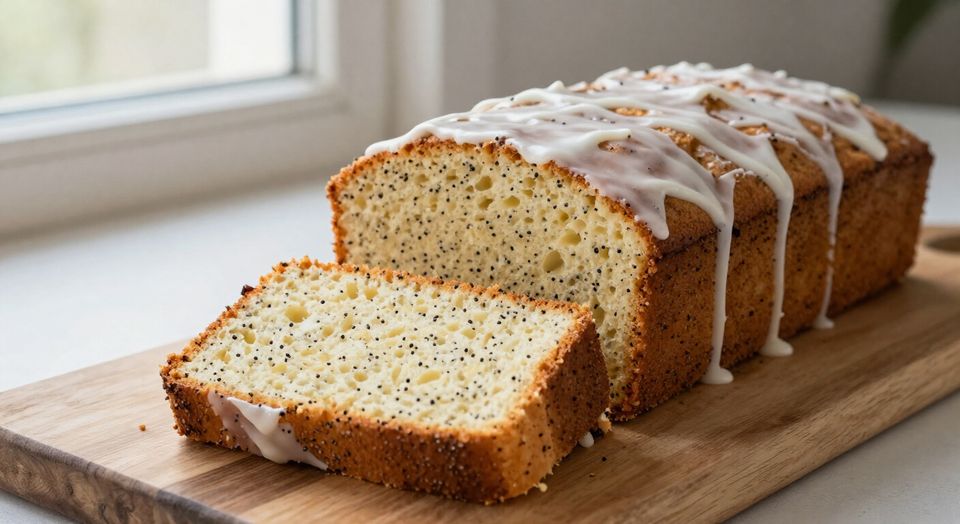
Lemon Poppyseed Cake Recipe: Bright, Moist, Bundt-Ready
Lemon poppyseed cake that's moist, zesty and golden, ready in 75 minutes. Bake this tender sour cream classic for your next brunch today.
 lemon
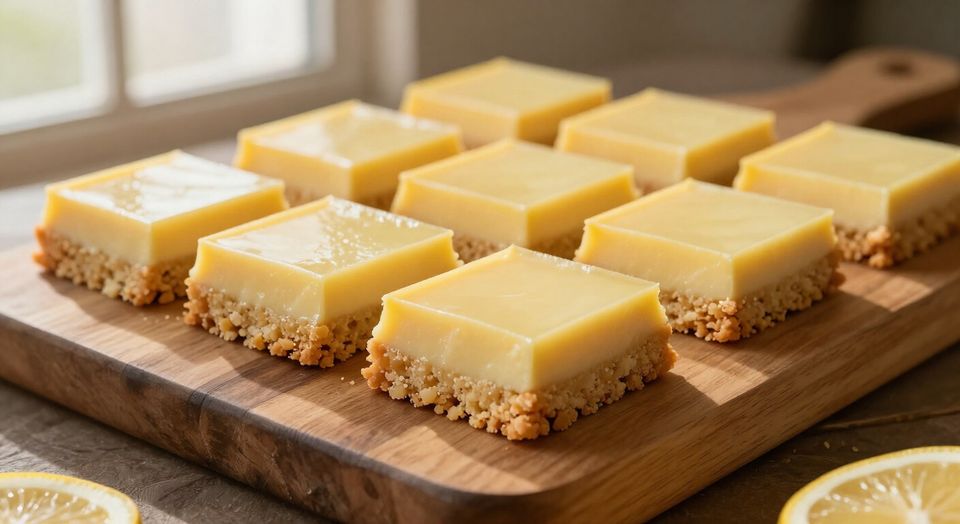
Tangy Lemon Slice Recipe: Sweetened Condensed Milk Traybake
Lemon slice recipe: buttery shortbread under a glossy, tangy condensed milk topping, ready in 60 minutes. Cut 16 velvety squares to treat a crowd.