
Tangy Homemade Cream Recipe: Exactly What's in Sour Cream
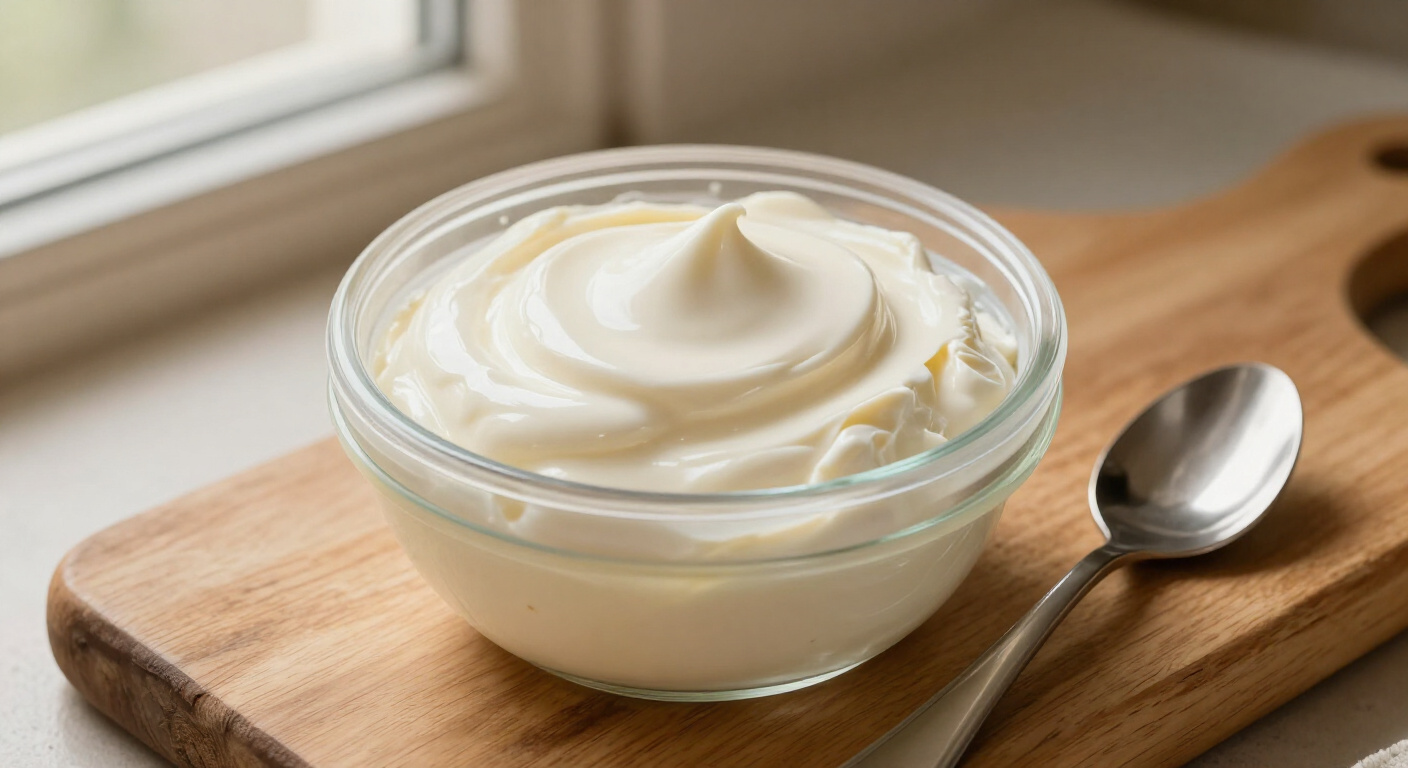
What's in sour cream? Just heavy cream and cultured buttermilk, turned silky and tangy in 5 minutes of hands-on time. Make a velvety batch at home today.
Imagine a spoonful of velvety, tangy cream, then wonder what's in sour cream. Five hands-on minutes and one overnight rest turn two ingredients into silky sour cream. Keep a jar chilled for taco night, baked potatoes, or a last-minute dip.
Why This Recipe Works
• Buttermilk supplies live cultures for tang: The bacteria in cultured buttermilk feed on the cream's lactose and produce lactic acid. That acid delivers the bright, tangy bite and thickens the cream naturally.
• Room temperature keeps cultures working steadily: Around 70-75°F is the sweet spot for those bacteria to multiply. Colder rooms slow the thickening, while warmer spots can make the flavor sharp too fast.
• Gentle stirring creates a silky, velvety texture: Stirring breaks up the forming curds just enough to smooth them out. Whisking too hard can leave the cream grainy and loose.
• Chilling firms the cream into spoonable sour cream: Cold air slows the cultures and lets the cream set. The finished texture holds a clean spoon mark instead of sliding off.
Ingredients You'll Need
Heavy cream is the base of this sour cream, and it is the only thing that gives it that rich, velvety body. Use pasteurized cream straight from the carton, not ultra-pasteurized, which often refuses to thicken. If you're out, half-and-half works but sets thinner and looser.
Cultured Buttermilk: This is your starter, the source of live bacteria that sour the cream and slowly thicken it overnight. Two tablespoons is all you need, so let it come to room temperature before whisking. No cultured buttermilk? Stir in a spoonful of plain sour cream or crème fraîche with live cultures.


How to Make It (Step by Step)
Stir a little cultured buttermilk into fresh cream, let it rest overnight, then chill until thick and spoonable. Even if you've never fermented anything, you'll get silky, tangy sour cream with just a jar and a spoon.

- Pour 2 cups (480 ml) pasteurized heavy cream into a clean glass jar, leaving room at the top, until the cream looks smooth and pale ivory, about 1 minute at room temperature (70°F / 21°C).

- Whisk 2 tablespoons cultured buttermilk into the cream until no streaks remain and the liquid looks uniform, 30-60 seconds at 70°F (21°C).

- Cover the jar loosely and let it rest undisturbed until the cream thickens and coats the back of a spoon, 12-24 hours at 70-75°F (21-24°C).

- Stir the thickened cream gently with a clean spoon until it looks silky and velvety with no lumps, 15-30 seconds at 70°F (21°C).

- Seal the jar tightly and refrigerate until the sour cream turns thick, cold and spoonable, 4-6 hours at 38-40°F (3-4°C).

- Spoon the chilled sour cream into a clean airtight container and keep it cold until ready to use, 1-2 minutes at 38-40°F (3-4°C).

Recipe Notes
• Storage: Keep it sealed in the fridge for up to one week, where it stays fresh and tangy. Freezing is not ideal, since it turns grainy and separates when thawed. Sour cream is served cold, so skip reheating. If it's too firm, stir in a teaspoon of cold cream until silky.
• Key substitution: No cultured buttermilk? Use 2 tablespoons of plain whole-milk kefir with live cultures. It brings the same tang and thickening power.
• Make-ahead tip: Batch it up to five days before you need it, since the flavor deepens over time. Stir in chives or dill only right before serving, so they stay bright green.
• Common mistake: Dipping a used spoon into the jar invites mold and spoils the batch fast. Always scoop with a clean, dry spoon, and keep the lid sealed between uses.
Serving size: 1 portion · Calories: 60 · Total Fat: 5g · Saturated Fat: 3g · Carbs: 1g · Fiber: 0g · Sugar: 1g · Protein: 1g · Sodium: 10mg
Tips and Tricks
- Equipment: Use a wide-mouth glass jar: A clean one-quart glass jar gives the cream room to thicken without spilling. Glass cleans easily and won't hold onto old flavors between batches.

- Temperature precision: Keep the rest between 70-75°F: That's the sweet spot for the cultures to work steadily. Once the room climbs past about 80°F, the cream turns sharp and loose quickly.
- Common mistake: Chilling before the cream thickens: Rushing the jar into the fridge early leaves the cream runny. Wait until it coats the back of a spoon, then refrigerate.
- Flavour upgrade: Add a pinch of fine sea salt: Stir it in once the cream turns silky. A small pinch sharpens the tang and rounds out the buttermilk flavor.
- Texture tip: Give the full rest before chilling: Don't rush the overnight rest. A full 12 to 24 hours, then 4 to 6 hours cold, sets the cream firm and spoonable.

Frequently Asked Questions
Can I make this with lactose-free heavy cream instead?
Yes, use 2 cups (480 ml) lactose-free heavy cream with the same 2 tablespoons cultured buttermilk. Because the cream has less lactose for the cultures, let it rest the full 24 hours and check that it coats a spoon before chilling.
Can I freeze homemade sour cream in small portions for cooked dishes later on?
Spoon it into an ice cube tray or small freezer bag, where it keeps for up to 2 months, then thaw overnight in the fridge. Stir the thawed cream into soups or sauces off the heat so it stays smooth rather than curdling.
Why is my sour cream still thin after 24 hours?
Your buttermilk probably lacks active cultures, or the jar sits too cold. Stir in one fresh tablespoon of live-culture buttermilk, cover loosely, and rest it another 6 hours at 70-75°F until it coats a spoon.
What to Serve With This
Frequently Asked Questions
Tangy Homemade Cream Recipe: Exactly What's in Sour Cream
Side Dish / American
- Prep
- 5 min
- Total
- 5 min
- Servings
- 4
- Calories
- 60 kcal
Ingredients
- 2 cups (480 ml) heavy cream, pasteurized
- 2 tablespoons cultured buttermilk, at room temperature
Instructions
- Pour 2 cups (480 ml) pasteurized heavy cream into a clean glass jar, leaving room at the top, until the cream looks smooth and pale ivory, about 1 minute at room temperature (70°F / 21°C).
- Whisk 2 tablespoons cultured buttermilk into the cream until no streaks remain and the liquid looks uniform, 30-60 seconds at 70°F (21°C).
- Cover the jar loosely and let it rest undisturbed until the cream thickens and coats the back of a spoon, 12-24 hours at 70-75°F (21-24°C).
- Stir the thickened cream gently with a clean spoon until it looks silky and velvety with no lumps, 15-30 seconds at 70°F (21°C).
- Seal the jar tightly and refrigerate until the sour cream turns thick, cold and spoonable, 4-6 hours at 38-40°F (3-4°C).
- Spoon the chilled sour cream into a clean airtight container and keep it cold until ready to use, 1-2 minutes at 38-40°F (3-4°C).
Share this article
About the author

Priya Raman
Priya was told her whole life that a cake business was a silly dream, so she built one in the garage and outlasted every doubter. She still gets a lump in her throat when someone opens a box she made. Layer cakes are how she says the things she was never allowed to say out loud.